
Plasma Pen
Discover the Beauty of Renewal with Plasma Pen. Achieve natural-looking results with no downtime.
What Is Plasma Pen?
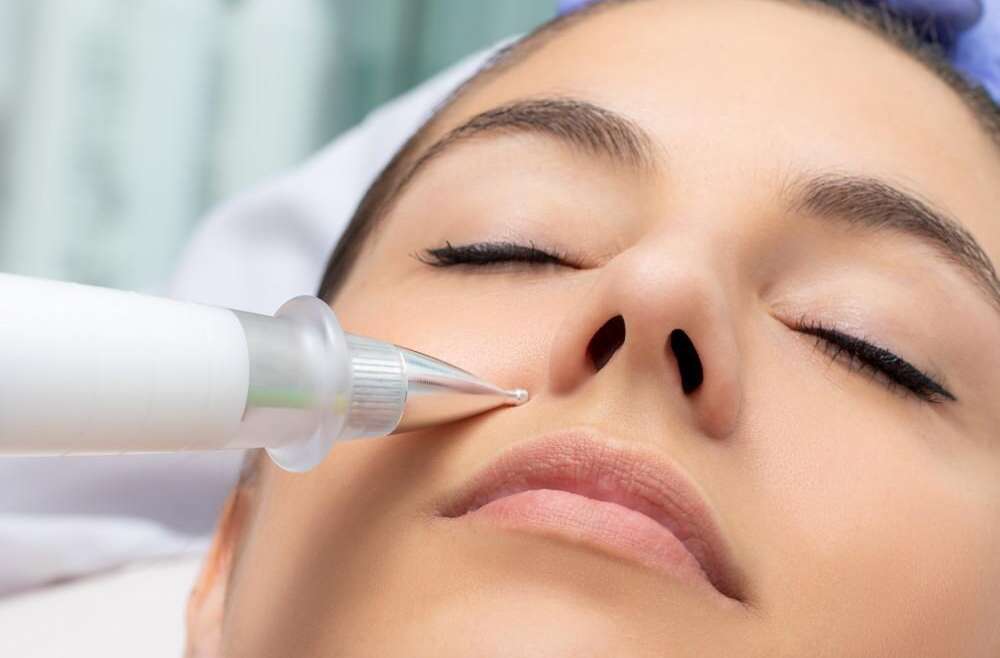
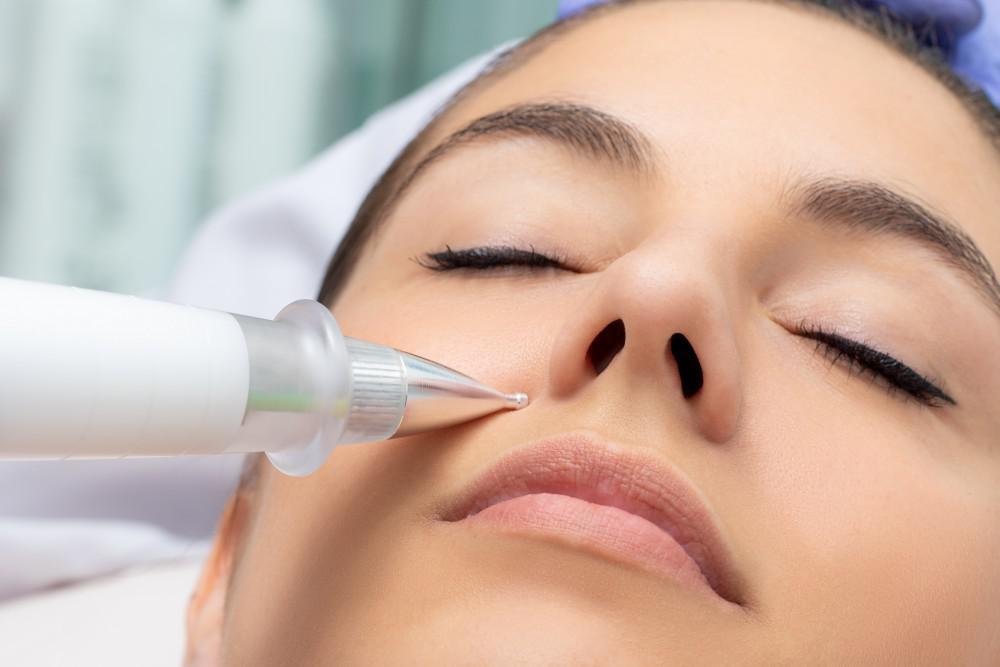
Plasma Pen is a device that generates plasma energy through ionization of atmospheric gases between the pen’s tip and your skin. This creates a small electrical arc (plasma flash) that never actually touches your skin but transfers energy to the targeted tissue, causing controlled sublimation of the skin’s surface layer.
The Plasma Pen treatment offers a revolutionary alternative to surgical procedures like blepharoplasty (eyelid surgery), facelifts, and neck lifts, with significantly less downtime, lower cost, and natural-looking results. By creating tiny plasma arcs that sublimate (vaporize) targeted skin tissue, the treatment can address stubborn concerns, including hooded eyelids, crow’s feet, forehead wrinkles, nasolabial folds, neck laxity, jowls, and acne scars.
What Are the Benefits of Plasma Pen?
Cosmetic Improvements:
- Non-surgical eyelid lift – Treats hooded eyelids and droopy upper lids without surgery
- Wrinkle reduction – Smooths crow’s feet, forehead lines, and perioral wrinkles
- Skin tightening – Tightens loose, crepey skin on neck, jawline, and décolletage
- Lifts sagging skin – Addresses jowls, nasolabial folds, and marionette lines
- Scar improvement – Reduces the appearance of acne scars and surgical scars
- Stretch mark reduction – Improves the texture and appearance of stretch marks
- Skin tag and mole removal – Safely removes benign skin lesions
Treatment Advantages:
- Non-surgical alternative – Avoids risks, costs, and extended recovery of surgery
- Minimal downtime – Most return to activities within 7-10 days
- Long-lasting results – Effects can last 2-3 years or longer
- Natural-looking outcomes – Gradual improvement appears authentic, not “overdone”
- Precision targeting – Treats specific problem areas with accuracy
- Stimulates natural collagen – Results improve over time as new collagen forms
- Safe for most areas – Can treat delicate areas like upper eyelids
- Cost-effective – Fraction of the cost of surgical procedures
- Suitable for most skin types – Safe for Fitzpatrick types I-IV (lighter to medium skin tones)
Progressive Results: While immediate tightening is visible, results continue to improve for 3-12 months as collagen remodeling progresses, providing both instant gratification and long-term enhancement.
When Will I See Results From Plasma Pen?
Plasma Pen results unfold in distinct phases, with both immediate and progressive improvements:
Immediate (Day of Treatment):
- Instant tissue contraction and tightening visible immediately after treatment
- Treated area appears dotted with tiny carbon crusts
- Some swelling, especially around delicate areas like eyes
Days 1-3:
- Swelling peaks (most dramatic on day 2, especially for eye treatments)
- Carbon crusts darken and become more prominent
- Treated area may feel tight and tender
Days 4-7:
- Swelling begins to subside significantly
- Carbon crusts start to naturally flake off (do not pick!)
- Underneath, new pink skin begins to emerge
Days 7-14:
- Most or all crusts have shed completely
- Swelling resolves almost entirely
- Pink/red areas begin to fade
- Initial tightening results become more apparent
Weeks 2-8:
- Skin tone normalizes and pinkness fades
- Tightening becomes more pronounced as healing progresses
- Texture improvements become visible
- Results look increasingly natural
Months 3-12:
- Peak results achieved around 3-6 months post-treatment
- Collagen remodeling continues, providing progressive improvement
- Maximum tightening and lifting effects fully realized
- Skin texture, tone, and firmness continue to enhance
Longevity: Results typically last 2-3 years, with some patients maintaining improvements even longer. Proper skincare, sun protection, and healthy lifestyle habits help maximize result longevity.
Many patients opt for a second session 8-12 weeks after the first for enhanced results, particularly for more significant concerns like severe hooding or deep wrinkles.
Is Plasma Pen Safe? Are There Any Side Effects?
When performed by a properly trained professional, Plasma Pen is considered safe and effective. However, as with any cosmetic procedure, there are important safety considerations and potential side effects.
Expected Side Effects (Normal and temporary):
- Swelling: Moderate to severe swelling, especially around eyes (peaks day 2-3, resolves within 7-10 days)
- Carbon crusts/scabs: Small dots that form immediately and shed within 5-10 days
- Redness: Pink to red skin underneath crusts, fading over 2-6 weeks
- Tenderness: Mild discomfort or tightness during healing
- Temporary hyperpigmentation: Darkening that typically resolves in weeks to months
Potential Complications (Rare with proper technique and aftercare):
- Infection: Very rare; prevented with proper hygiene and aftercare
- Prolonged hyperpigmentation: Risk higher in darker skin tones
- Hypopigmentation: Permanent lightening of treated skin (extremely rare)
- Scarring: Risk increases if crusts are picked or aftercare not followed
- Asymmetry: Uneven results requiring touch-up treatment
- Eyelid complications: Risk of ectropion (eyelid turning outward) if performed incorrectly
Important Safety Considerations:
Contraindications – Plasma Pen is not suitable for:
- Darker skin tones (Fitzpatrick types V-VI) – higher risk of pigmentation issues
- Active skin infections, cold sores, or open wounds in treatment area
- History of keloid or hypertrophic scarring
- Pregnancy or breastfeeding
- Autoimmune conditions affecting healing
- Blood clotting disorders or use of blood thinners
- Recent Accutane use (within 6-12 months)
- Unrealistic expectations or body dysmorphia
Critical Success Factors:
- Practitioner expertise: Treatment should only be performed by extensively trained professionals
- Proper technique: Correct depth, spacing, and pattern placement
- Strict aftercare compliance: Following post-treatment instructions is essential
- Realistic expectations: Understanding the healing process and timeline
A comprehensive consultation and patch test may be recommended to assess your candidacy and potential reaction before full treatment.
What Aftercare Is Required After Plasma Pen?
Proper aftercare is absolutely critical to achieving optimal results and preventing complications. Strict adherence to these instructions is non-negotiable.
Immediate Post-Treatment (First 24 Hours):
- Apply ice packs for 10-15 minutes every hour to reduce swelling
- Keep treated area clean and dry
- Sleep elevated on 2-3 pillows to minimize swelling
- Take recommended anti-inflammatory medication if approved
- Avoid touching or rubbing the treated area
- Do not wash the treatment area for 24 hours
Days 1-10 (Healing Phase):
- Keep crusts intact – DO NOT pick, scratch, or remove crusts under any circumstances
- Gentle cleansing – Clean 2-3 times daily with recommended gentle cleanser
- Apply healing ointment – Use prescribed aftercare products as directed
- Avoid water saturation – No soaking, swimming, hot tubs, or long showers on face
- Sleep elevated – Continue sleeping with head elevated for first 3-5 nights
- No makeup – Wait until all crusts have naturally fallen off before applying makeup
- Ice as needed – Continue icing for first 2-3 days to manage swelling
Critical Don’ts During Healing:
- No picking or peeling crusts (causes scarring and hyperpigmentation)
- No sun exposure without SPF 50+ physical sunscreen
- No sweating – Avoid strenuous exercise for 7-10 days
- No heat – Avoid saunas, hot yoga, steam rooms
- No swimming – Chlorine and bacteria can cause infection
- No harsh skincare – No retinoids, AHAs, BHAs, or exfoliants for 4-6 weeks
- No other facial treatments – No lasers, peels, or injectable for 4-6 weeks
Weeks 2-8:
- Aggressive sun protection – SPF 50+ physical sunscreen reapplied every 2 hours
- Avoid direct sun exposure – Wear wide-brimmed hat when outdoors
- Moisturize regularly – Keep skin well-hydrated with recommended products
- Gentle skincare only – Continue avoiding active ingredients
- Monitor healing – Contact provider immediately if concerns arise
Long-Term Maintenance:
- Daily sunscreen indefinitely – UV exposure can reverse results
- Quality skincare – Use products that support collagen production
- Healthy lifestyle – Adequate sleep, hydration, and nutrition support skin health
- Follow-up – Attend all scheduled follow-up appointments
Warning Signs requiring immediate provider contact:
- Signs of infection (increased pain, pus, fever, red streaking)
- Unusual scarring or raised bumps
- Severe or worsening swelling after day 3
- Persistent pain not relieved by over-the-counter medication
- Any concerns about healing progress
Non-compliance with aftercare significantly increases risk of scarring, infection, and poor results.
Who Is an Ideal Candidate for Plasma Pen?
Plasma Pen can dramatically benefit the right candidates, but proper patient selection is crucial for safe, satisfying outcomes.
Ideal Candidates Include Those With:
- Mild to moderate skin laxity – Excess skin or wrinkles without severe sagging
- Hooded eyelids – Droopy upper eyelids obscuring the eyelid crease
- Crow’s feet and wrinkles – Lines around eyes, forehead, or mouth
- Loose neck skin – Crepey or sagging skin on neck and décolletage
- Jowls or early sagging – Loss of jawline definition
- Acne scars – Depressed or raised scarring from acne
- Stretch marks – Particularly on abdomen, thighs, or arms
- Realistic expectations – Understanding of treatment limitations and healing process
Skin Type Requirements:
- Best for: Fitzpatrick skin types I-III (fair to light-medium skin)
- Possible for: Type IV (medium skin) with experienced practitioner and careful monitoring
- Not recommended: Types V-VI (dark skin) due to high risk of permanent pigmentation changes
Health and Lifestyle Factors:
- In overall good health with no autoimmune conditions
- Non-smoker or willing to quit before treatment (smoking impairs healing)
- Not taking blood-thinning medications or supplements
- Able to avoid sun exposure and wear SPF diligently
- Can commit to strict aftercare requirements
- Available for 7-10 days of social downtime
- Not planning other facial procedures for 3 months
Age Considerations:
- Generally best for ages 40-65 when skin still has adequate elasticity
- Younger patients may benefit for specific concerns like hooded eyes
- Older patients with severe laxity may require surgical intervention for desired results
Not Ideal Candidates:
- Those seeking immediate results without healing time
- Individuals with very dark skin tones
- Those unable to commit to rigorous aftercare and sun protection
- People with severe skin laxity requiring surgical correction
- Those with unrealistic expectations about results
- Individuals with active skin conditions or poor healing history
- Anyone who cannot avoid sun exposure for work or lifestyle reasons
Surgical Alternative Considerations: If you have severe skin laxity, significant fat deposits, or want more dramatic transformation, surgical options like blepharoplasty, facelift, or neck lift may be more appropriate.
During your consultation, we’ll thoroughly assess your skin quality, laxity, medical history, lifestyle, and goals to determine if Plasma Pen is the right treatment for you and which areas would benefit most.
Schedule Your Consultation Today!
Don’t wait to embrace the incredible benefits of Plasma Pen Service. Contact our Dermatology Clinic to schedule your consultation with our experienced team of dermatologists. Let us help you unveil a more youthful, confident, and radiant you!
Rediscover your beauty with the power of Plasma Pen.
Frequently Asked Questions
How painful is Plasma Pen treatment?
Pain tolerance varies, but most patients rate discomfort as moderate. Topical numbing cream is applied 30-60 minutes before treatment, making the procedure tolerable for most. The upper eyelids are the most sensitive area. Some describe the sensation as tiny snapping or heat pricks. Most patients manage well with numbing alone.
Can I go to work after Plasma Pen?
Most patients need 7-10 days off work or social activities, particularly for facial treatments. Swelling and visible carbon crusts make it difficult to appear professional or social during this time. Plan your treatment around your schedule, avoiding important events for at least 2 weeks.
What's the difference between Plasma Pen and laser treatments?
Plasma Pen uses plasma energy to sublimate skin and cause contraction, while lasers use light energy. Plasma Pen provides more dramatic tightening and lifting effects but has longer downtime. Lasers typically offer gentler results with less downtime but may require more sessions.
How many treatments will I need?
Many patients achieve desired results with one treatment. However, for more significant concerns or enhanced results, a second session may be recommended 8-12 weeks after the first. Some areas like stretch marks may require 2-3 sessions spaced 8-12 weeks apart.
Can Plasma Pen be combined with other treatments?
Yes, but timing is critical. Wait at least 4-6 weeks after Botox or fillers before Plasma Pen. After Plasma Pen, wait 4-6 weeks before other treatments. Combining with other modalities like microneedling or PRP may enhance results but must be properly sequenced.
Is Plasma Pen safe for under-eye bags?
Plasma Pen treats loose skin and wrinkles but does not remove fat or fluid-filled bags under eyes. For true under-eye bags caused by fat deposits, lower blepharoplasty surgery is more effective. Plasma Pen works best for crepey skin, fine lines, and mild laxity in the lower eyelid area