
Seborrheic Keratosis Removal
Discover the Beauty of Renewal with Seborrheic Keratosis Removal. Achieve natural-looking results with no downtime.
What is Seborrheic Keratosis Removal?
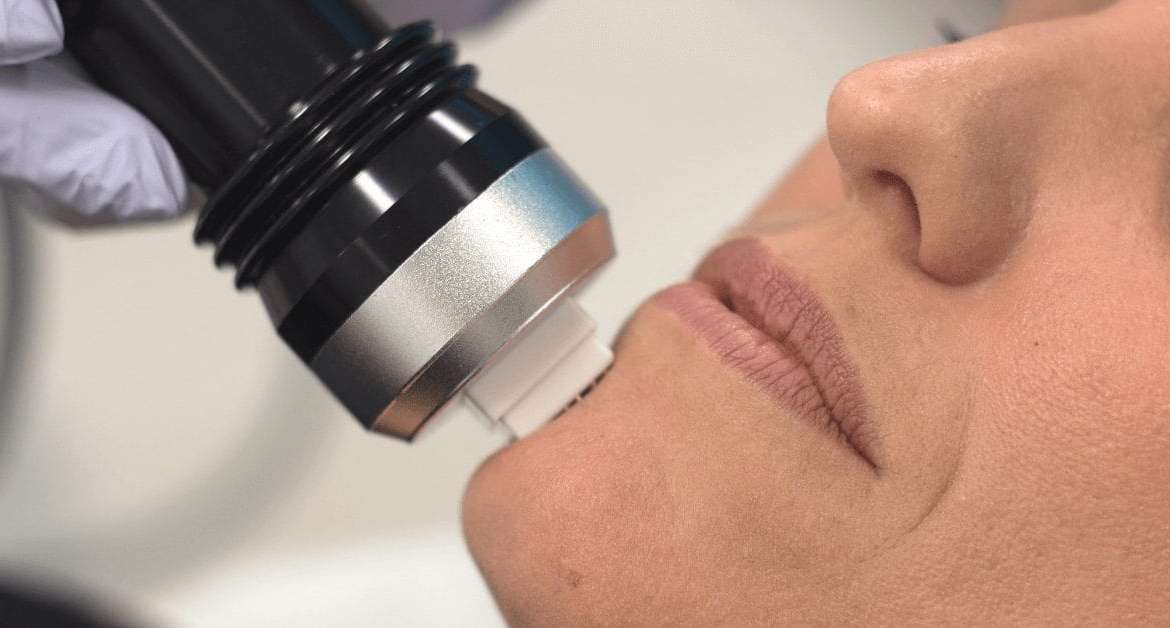
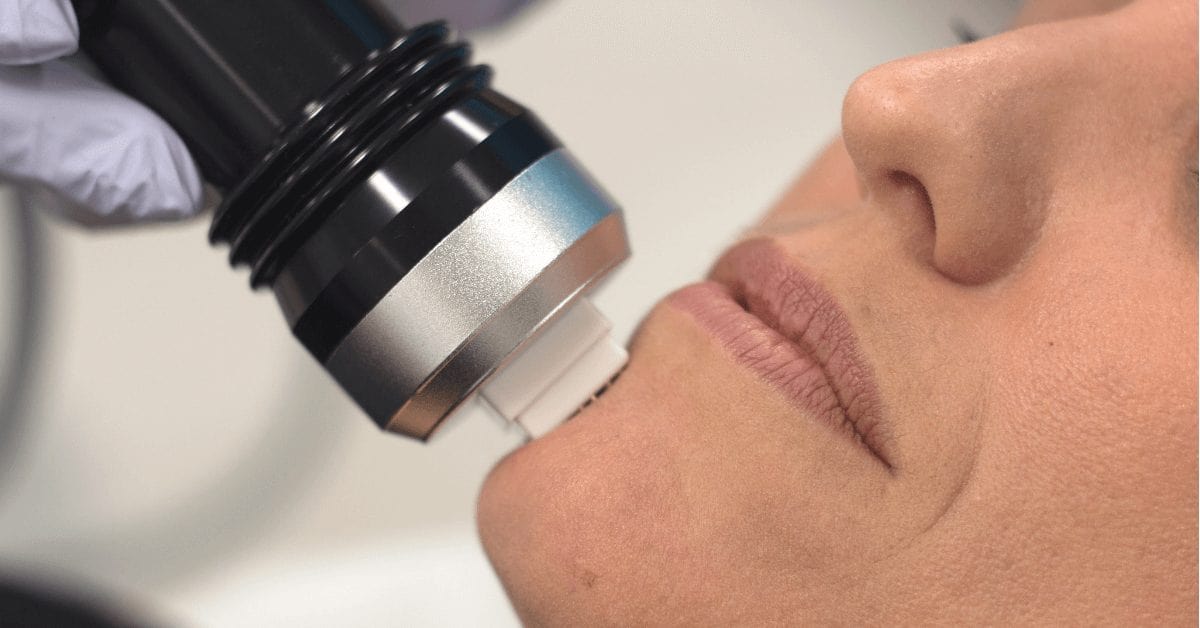
Seborrheic Keratosis Removal is a safe, effective, and minimally invasive dermatologic procedure designed to remove benign skin growths known as seborrheic keratoses. These growths commonly appear as brown, black, or tan raised lesions with a rough, waxy, or “stuck-on” appearance and often develop with age.
Although seborrheic keratoses are non-cancerous, they can become irritated, itchy, catch on clothing, or cause cosmetic concern.
Seborrheic Keratosis Removal uses medical-grade techniques to precisely eliminate these lesions while preserving healthy surrounding skin, improving both comfort and skin appearance.
The procedure is quick, well-tolerated, and typically requires little to no downtime. Treatment is customized based on the size, number, and location of the lesions to ensure safe and optimal results.
Key Benefits
- Removes benign skin growths safely and effectively
- Improves skin appearance and texture
- Reduces irritation, itching, or discomfort
- Quick, in-office procedure
- Minimal downtime
- Little to no scarring when performed professionally
- Immediate visible results in most cases
How Does Seborrheic Keratosis Removal Work?
Seborrheic keratoses are removed using advanced dermatologic methods such as laser therapy, electrocautery, cryotherapy, or minor surgical techniques, depending on the lesion characteristics.
- Target and remove the keratosis precisely
- Minimize damage to surrounding skin
- Promote smooth skin healing
- Reduce the risk of recurrence in treated areas
A consultation is performed before treatment to confirm the diagnosis and determine the most appropriate removal technique.
Treatment Areas
Seborrheic Keratosis Removal can be safely performed on:
- Face
- Neck
- Chest
- Back
- Arms
- Hands
- Legs
- Scalp
Multiple lesions can often be treated in a single session.
What Happens During the Procedure?
- Consultation & Evaluation:
- The doctor examines the lesion visually, possibly using dermoscopy.
- Assess size, thickness, location, color, and symptoms. Determine whether biopsy/pathology is needed.
- Preparation:
- Clean the area. Possibly mark margins.
- Apply local anesthetic (cream or injection) if required, especially for surgical / shave / electrosurgical methods.
- Removal/Treatment:
-
Use chosen method: freeze, shave, electrocautery, etc.
-
If electrocautery or excision is required, bleeding control is required during removal.
-
- Aftercare & Dressings:
-
Apply dressings or ointments. Possibly apply antibiotic ointment.
-
Instructions to keep the wound clean: avoid picking; protect from the sun.
-
- Follow-Up:
- Check for healing; possibly remove dressings; monitor for any adverse reactions or pigmentation changes.
Who Is an Ideal Candidate for Seborrheic Keratosis Removal?
You may be an ideal candidate if you:
- Have been diagnosed with seborrheic keratosis
- Experience irritation, itching, or bleeding from the lesion
- Are bothered by the appearance of skin growths
- Are in good overall health
- Want a non-surgical, outpatient solution
A consultation with a qualified provider is essential to determine suitability and customize treatment settings.
Coming Soon
Seborrheic Keratosis Removal is launching soon. Stay tuned or contact us for updates.
Frequently Asked Questions
Is seborrheic keratosis dangerous?
No, seborrheic keratoses are harmless and not cancerous. However, any skin growth that changes in size, color, or shape should be evaluated by a medical professional.
Why should seborrheic keratosis be removed?
Removal is usually performed for cosmetic reasons, irritation, itching, bleeding, or if the lesion catches on clothing. Some patients choose removal for peace of mind or improved skin appearance.
How is seborrheic keratosis removed?
Seborrheic keratosis can be removed using techniques such as laser therapy, electrocautery, cryotherapy (freezing), or minor surgical removal, depending on the size and location of the lesion.
Is seborrheic keratosis removal painful?
The procedure is generally well-tolerated. A topical or local anesthetic is often used to minimize discomfort. Most patients feel little to no pain.
How long does the procedure take?
Most treatments take 15–30 minutes, depending on the number of lesions being treated.
Will seborrheic keratosis come back after removal?
Treated lesions usually do not return. However, new seborrheic keratoses may develop elsewhere over time, especially as part of the natural aging process.
Will the procedure leave scars?
When performed by a qualified professional, the risk of scarring is minimal. Proper aftercare further reduces this risk.
How should I care for my skin after removal?
After treatment:
- Keep the area clean and dry
- Avoid picking or scratching
- Apply any prescribed ointments
- Protect the area from sun exposure
- Follow your provider’s aftercare instructions