
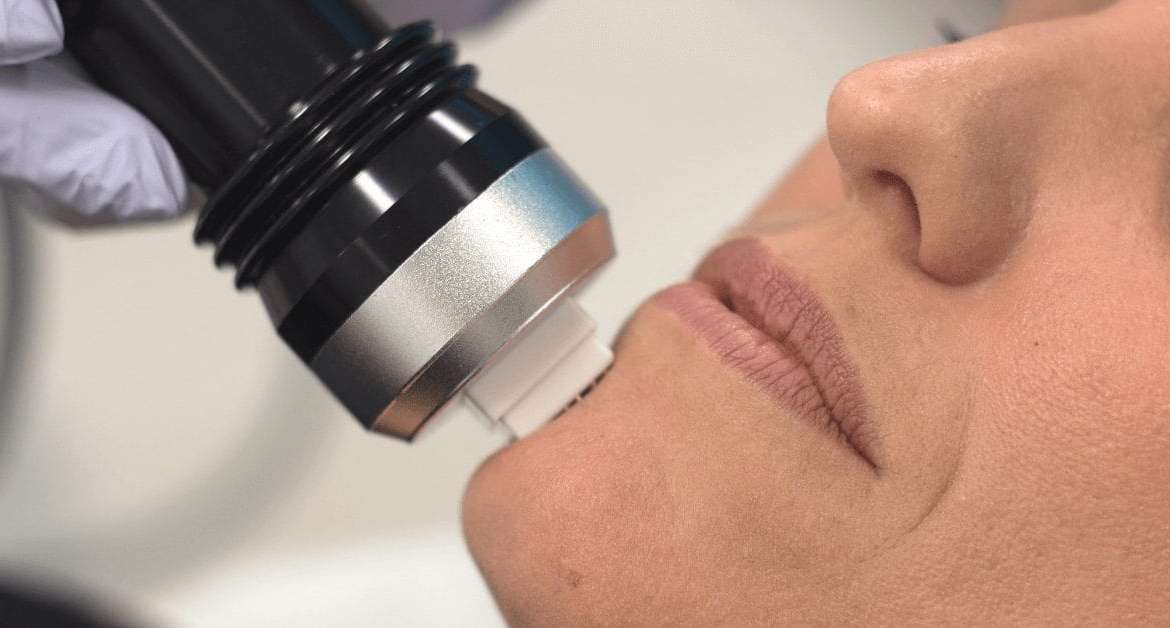
Stretch Mark (Striae) Treatment
Discover the Beauty of Renewal with Stretch Mark (Striae) Treatment. Achieve natural-looking results with no downtime.
What is Stretch Mark (Striae) Treatment?
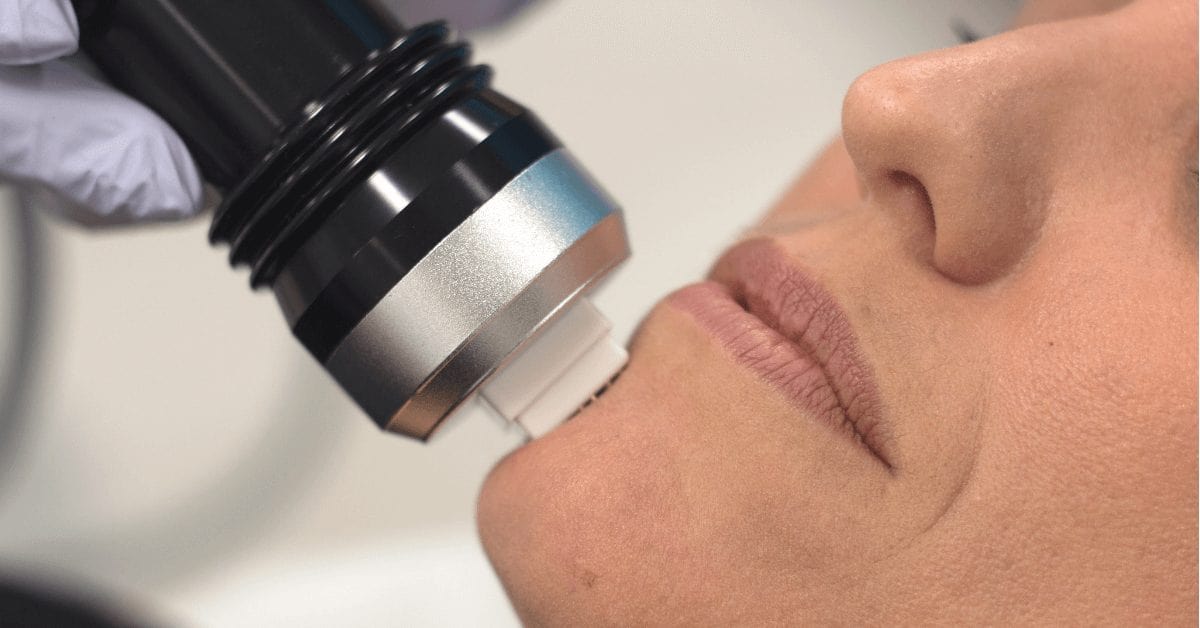
Stretch Mark (Striae) Treatment is an advanced, non-surgical skin rejuvenation procedure designed to visibly reduce the appearance of stretch marks while improving overall skin texture, tone, and elasticity. Stretch marks, medically known as striae, occur when the skin stretches rapidly due to pregnancy, weight changes, puberty, or hormonal fluctuations, causing collagen and elastin fibers to break.
This customized treatment works by stimulating the skin’s natural repair process through collagen induction and tissue remodeling. Using medical-grade technologies, the therapy targets damaged skin layers to restore strength and elasticity, helping stretch marks fade and blend more naturally with the surrounding skin.
Over time, Stretch Mark (Striae) Treatment improves skin smoothness, firmness, and appearance, offering a safe and effective solution for both new and long-standing stretch marks with minimal downtime.
Key Benefits
- Reduces the appearance of stretch marks
- Improves skin texture and smoothness
- Enhances skin elasticity and firmness
- Stimulates natural collagen production
- Non-surgical and minimally invasive
- Safe for most skin types
- Minimal downtime
- Gradual, natural-looking improvement
How Does Stretch Mark (Striae) Treatment Work?
Stretch Mark Treatment stimulates collagen and elastin regeneration in the affected areas. Depending on the severity and age of the stretch marks, treatment may include laser therapy, microneedling, radiofrequency, or combination techniques.
- Repair damaged collagen and elastin fibers
- Improve skin thickness and elasticity
- Reduce discoloration and textural irregularities
- Encourage healthy skin regeneration
Results develop gradually as new collagen forms and the skin remodels over time.
Treatment Areas
Stretch Mark (Striae) Treatment can be performed on:
- Abdomen
- Hips and flanks
- Thighs
- Buttocks
- Breasts
- Arms
- Lower back
Each treatment plan is customized based on skin type, stretch mark severity, and individual goals.
Who Is an Ideal Candidate for Stretch Mark (Striae) Treatment?
You may be an ideal candidate if you:
- Have stretch marks from pregnancy, weight changes, or puberty
- Want visible improvement without surgery
- Are in good overall health
- Have realistic expectations
- Prefer treatments with minimal downtime
Both newer (red or purple) and older (white or silver) stretch marks can be treated, though newer marks often respond faster.
Treatment Timeline & Results
- Session duration: 30–60 minutes
- Recommended sessions: 3–6 treatments
- Interval between sessions: 4–6 weeks
- Initial improvement: Visible within a few weeks
- Optimal results: Continue improving over 3–6 months
- Maintenance: Optional, based on skin response
Treatment Plan & Sessions
- The number of sessions depends on age (how old the stretch marks are), colour (red vs white), depth, location, and skin type. More mature/white marks need more and possibly stronger treatments.
- Sessions are usually spaced every 3-6 weeks, depending on treatment type.
- Improvement may start after the first few sessions, but more noticeable changes are often seen after multiple sessions over months. Full remodeling (collagen, elastin) may take several months after the final session.
Treatment & Aftercare
- Before treatment: assessment of skin type, stretch mark stage, expectations; possibly test patch; instructions on avoiding sun, possibly stopping certain skincare products.
- During: depending on method (laser, RF, microneedling, etc.), there may be topical numbing; discomfort varies; treatment duration depends on area size.
- After: some redness, swelling, and mild discomfort are common; possibly peeling in case of lasers or chemical peels; skin may feel tight.
- Aftercare involves avoiding sun exposure, using sunscreen, gentle skin care, possibly using moisturizers, serums, or any prescribed products; follow-up for next sessions.
Limitations & What to Expect
- Complete removal of stretch marks is generally not possible. Most treatments aim for a significant reduction in appearance: colour, width, and depth.
- Older, white (striae alba) marks are harder to treat; they often respond more slowly and require more intensive or combination treatments.
- Results vary depending on individual factors: skin type, genetic healing, size and depth of stretch mark, and how early treatment is started.
- Risk of side effects like pigmentation changes (especially in darker skin), redness, temporary discomfort, possible peeling or swelling depending on intensity.
Coming Soon
Stretch Mark (Striae) Treatment is launching soon. Stay tuned or contact us for updates.
Frequently Asked Questions
Is Stretch Mark Treatment safe?
Yes, it is a safe and effective treatment when performed by trained professionals using medical-grade technology.
Does the treatment hurt?
Most patients experience mild discomfort. Topical numbing is typically used to enhance comfort.
How many sessions will I need?
Most patients require 3–6 sessions, depending on the severity and age of the stretch marks.
Can old stretch marks be treated?
Yes, both new and older stretch marks can be improved, although older marks may require more sessions.
Can old surgical scars be improved?
Yes, both new and older scars can be treated. Older scars may require additional sessions for optimal results.
Will stretch marks completely disappear?
Stretch marks cannot be completely removed, but this treatment significantly reduces their appearance and improves skin texture.
Can this treatment be combined with other procedures?
Yes, it can be combined with PRP, microneedling, or skin tightening treatments for enhanced results.