
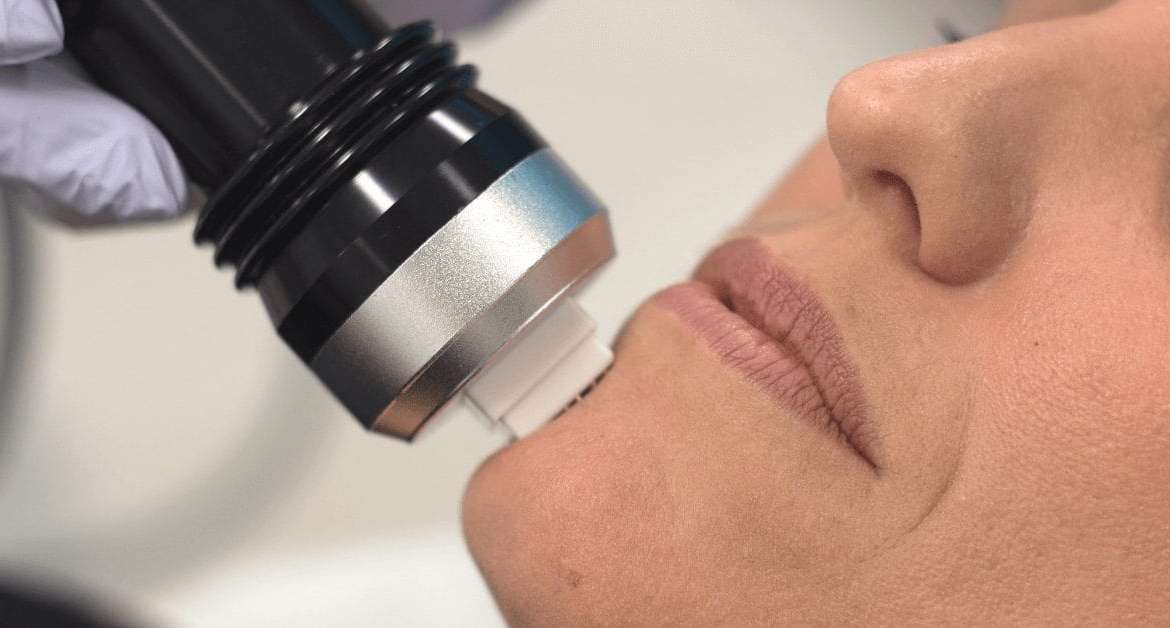
Surgical & Traumatic Scar Reduction
Discover the Beauty of Renewal with Surgical & Traumatic Scar Reduction. Achieve natural-looking results with no downtime.
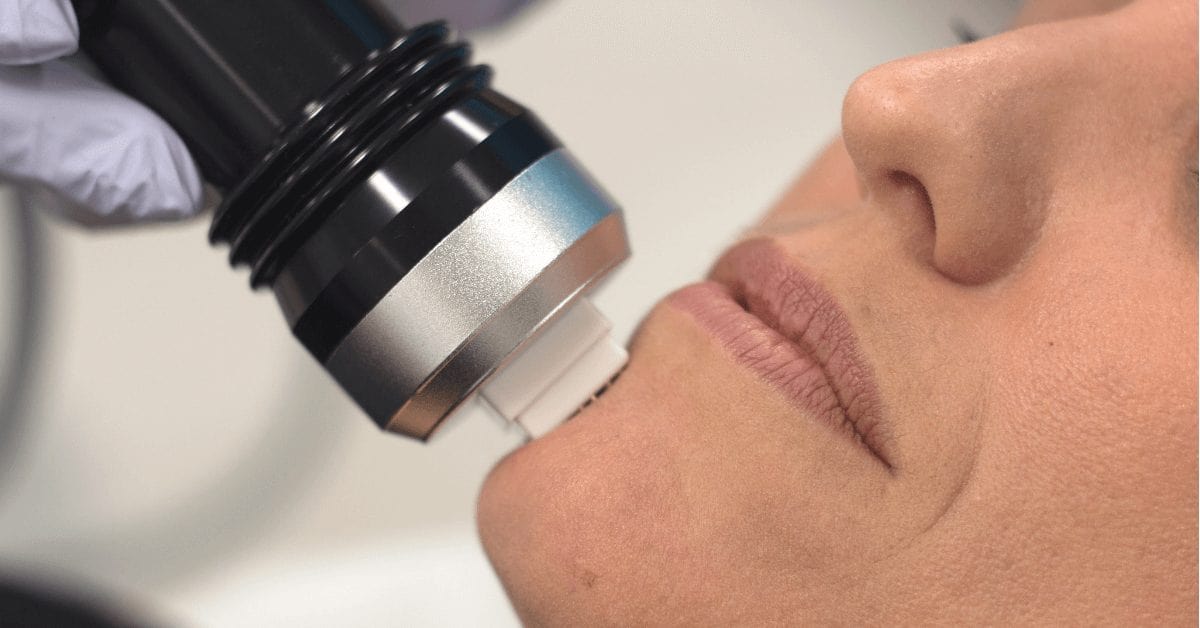
What is Surgical & Traumatic Scar Reduction?
Surgical & Traumatic Scar Reduction is an advanced, non-surgical skin restoration treatment designed to visibly minimize the appearance of scars caused by surgery, accidents, injuries, or trauma. Using medical-grade, collagen-stimulating technologies, this treatment improves scar texture, color, thickness, and flexibility while enhancing overall skin quality.
Over time, surgical and traumatic scars can become raised, indented, discolored, or tight. Surgical & Traumatic Scar Reduction works by remodeling damaged tissue, breaking down dense scar fibers, and stimulating new collagen and elastin production. The result is smoother, softer, and more natural-looking skin with improved tone and movement.
Each treatment plan is fully customized based on scar type, age, location, and skin condition, delivering safe, effective, and long-lasting improvement with minimal downtime.
Key Benefits
- Reduces the appearance of surgical and traumatic scars
- Improves scar texture, color, and thickness
- Softens tight or painful scar tissue
- Enhances skin flexibility and movement
- Stimulates natural collagen production
- Non-surgical and minimally invasive
- Minimal downtime
- Natural-looking, progressive results
How Does Surgical & Traumatic Scar Reduction Work?
This treatment uses targeted skin-renewal techniques that stimulate the body’s natural healing response. Depending on the scar’s characteristics, the procedure may involve laser therapy, microneedling, radiofrequency, or combination modalities.
- Break down thick or fibrous scar tissue
- Stimulate collagen and elastin regeneration
- Improve blood flow and skin renewal
- Soften tight or rigid scar tissue
- Improve scar color and texture
Results improve gradually as collagen remodeling continues over several weeks to months.
Treatment Areas
Surgical & Traumatic Scar Reduction can be performed on:
- Face and jawline
- Neck
- Chest and décolletage
- Abdomen
- Arms and shoulders
- Legs and knees
- Back
- Hands
Treatment is safe for most body areas and tailored to scar depth and location.
Who Is an Ideal Candidate for Surgical & Traumatic Scar Reduction?
You may be an ideal candidate if you:
- Have scars from surgery, injury, burns, or trauma
- Experience raised, indented, or discolored scars
- Feel tightness or discomfort around scar tissue
- Want visible improvement without surgery
- Are in good overall health
- Have realistic expectations
Both recent and older scars can be treated, though older scars may require additional sessions.
Treatment Timeline & Results
- Treatment duration: 30–60 minutes per session
- Recommended sessions: 3–6 sessions
- Interval between sessions: 4–6 weeks
- Initial improvement: Visible within a few weeks
- Optimal results: Develop over 3–6 months
- Maintenance: Optional, based on scar type
Coming Soon
Surgical & Traumatic Scar Reduction is launching soon. Stay tuned or contact us for updates.
Frequently Asked Questions
Is Surgical & Traumatic Scar Reduction safe?
Yes, it is a safe and clinically proven treatment when performed by trained medical professionals using appropriate technology.
Does the treatment hurt?
Most patients experience mild discomfort. A topical numbing agent is usually applied to ensure comfort during the procedure.
How many treatments will I need?
Most patients require 3–6 sessions, depending on scar size, depth, and age.
Is there any downtime?
Downtime is minimal. Mild redness or swelling may last a few days, but normal activities can typically be resumed quickly.
Can old surgical scars be improved?
Yes, both new and older scars can be treated. Older scars may require additional sessions for optimal results.
Will the scar completely disappear?
While scars cannot be completely removed, this treatment significantly reduces their visibility and improves texture and appearance.
Can this treatment help with tight or painful scars?
Yes, by softening scar tissue and improving elasticity, the treatment can help reduce tightness and discomfort.