
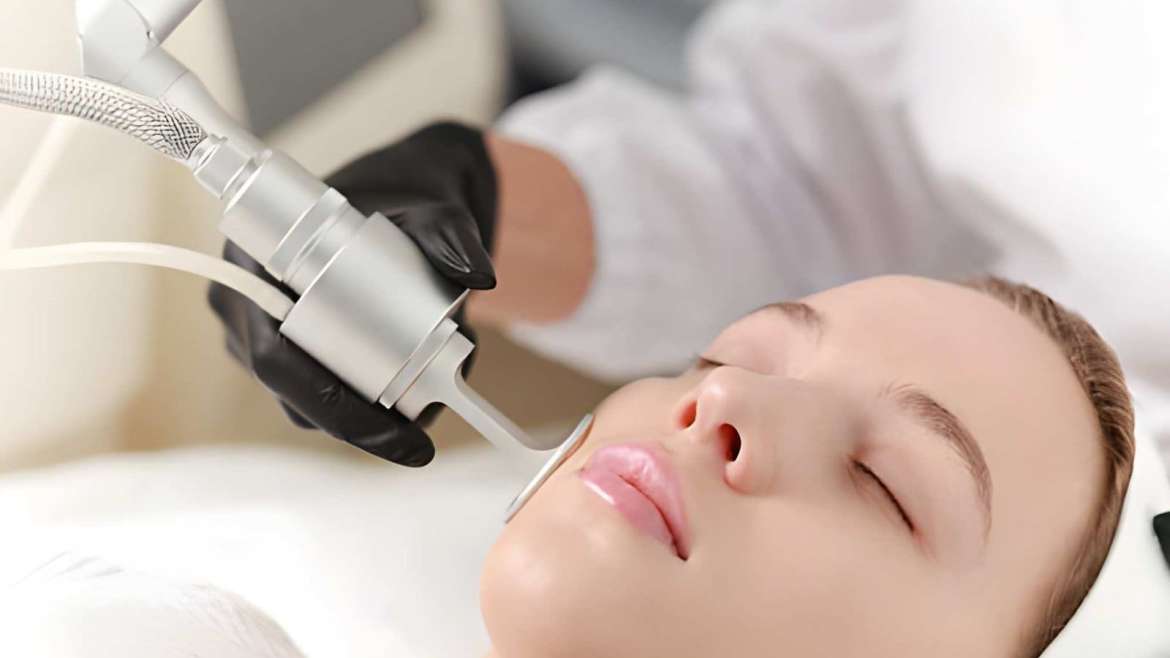
Restore CO₂ Laser Intensive Resurfacing
Discover the Beauty of Restore with CO₂ Laser Intensive Resurfacing in Kirkland, WA. Achieve natural-looking results with 7–14 days of downtime.
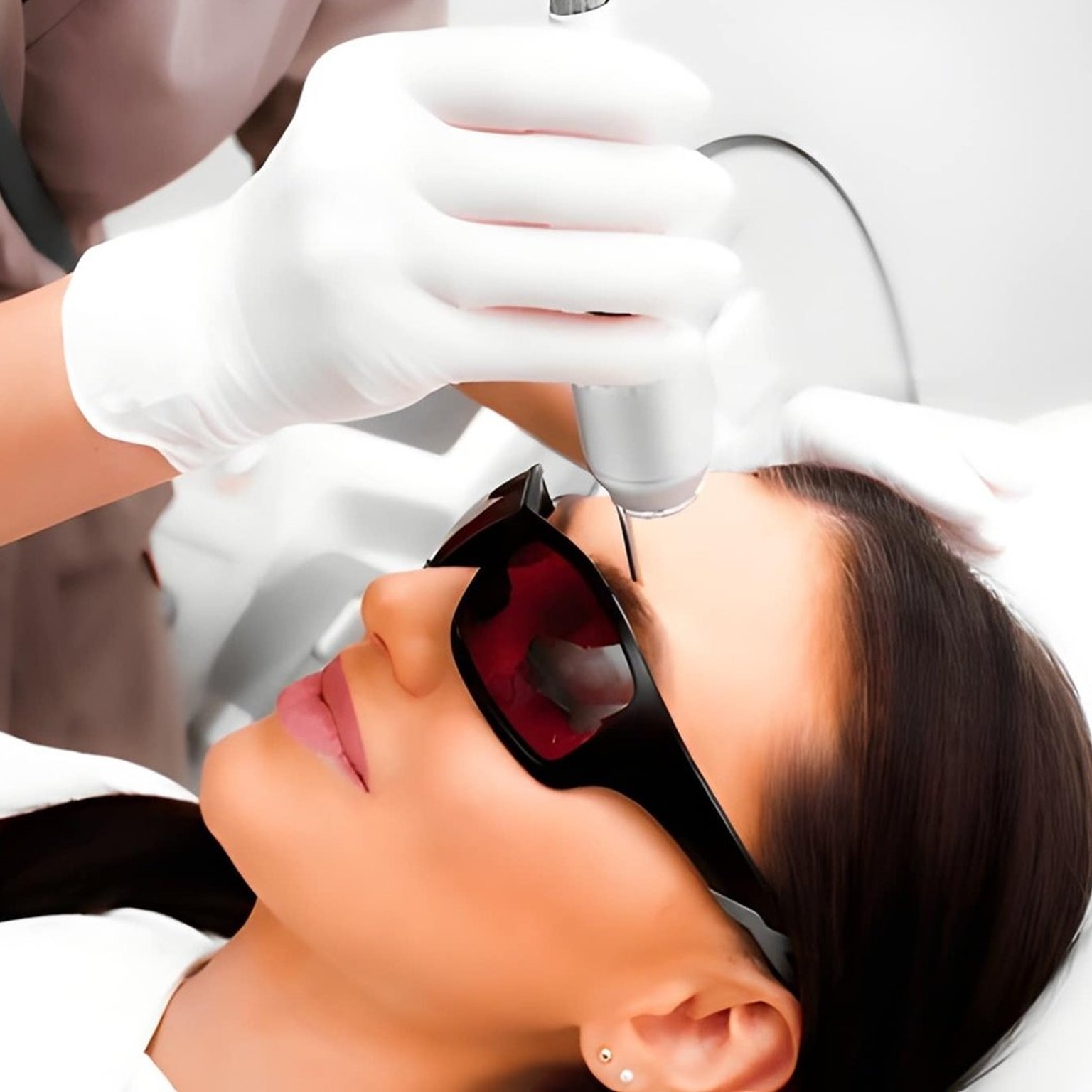
Restore CO2 Treatment · Kirkland, WA
Restore CO₂ Intensive
Resurfacing
Kirkland · Seattle · Eastside King County
Scar Depth Reduction
Collagen stimulation
Patient satisfaction
Restore CO₂ is our most intensive laser resurfacing protocol — engineered for acne scarring, deep sun damage, pronounced texture, and wrinkles that have resisted everything else. Where other treatments reach the surface, Restore works at depth.
Bellevue
Redmond
Kirkland
Sammamish
Issaquah
Woodinville
Mercer Island
The Science
How Restore CO₂ works?
A controlled, precise process that works with your biology — not against it.
Precision laser delivery
The CO₂ laser emits thousands of microscopic treatment columns — each one a controlled ablation channel penetrating into the dermis. Unlike traditional ablative lasers, fractional delivery means only 20–30% of skin surface is directly treated per pass, dramatically reducing recovery time while maximising depth of effect.
Immediate tissue response
Treated columns trigger a cascade of biological repair. Inflammatory mediators signal fibroblasts — the skin’s collagen factories — to begin rapid synthesis. Heat diffusion from the ablation zones causes additional collagen contraction in surrounding tissue, providing immediate visible tightening.
Healing bridge effect
Untreated zones between ablation columns serve as healing reservoirs, rapidly migrating healthy keratinocytes across treated areas. This is why fractional CO₂ heals far faster than traditional resurfacing — the architecture of recovery is built into the treatment itself.
Long-term remodelling
New collagen matures over 3–6 months, progressively filling atrophic scars, smoothing surface irregularities, and restoring structural integrity to sun-damaged skin. This ongoing remodelling phase means results continue improving well beyond the initial recovery period.
What We Treat
Restore is built for skin that has been through something.
These are the concerns where standard treatments plateau and Restore begins — the cases our physicians see referred after years of unsuccessful approaches.
Treatment Details
What to expect — before, during, and after.
45 – 90 minutes
Topical + optional nerve block
1 – 3 (spaced 8–12 weeks)
100 – 1,600 µm (customised)
Days 1 – 3
Days 3 – 7
Day 7 – 10
3 – 6 months
2 days prior (if history of HSV)
Stop 5 – 7 days before
Minimum 2 weeks prior
Stop at least 6 months prior
Cool compresses, prescribed healing ointment applied every few hours. The skin will feel warm, tight, and appear intensely red. Sleeping elevated reduces oedema significantly on day one.
Redness, swelling, and weeping are normal and expected. Keep skin continuously moist with prescribed ointment. Avoid all makeup, active skincare, and sun exposure without exception. Take prescribed antivirals and antibiotics as directed.
Skin takes on a brown, textured appearance as the treated tissue desiccates and begins to exfoliate. Do not pick, peel, or scratch — this disrupts the healing architecture and risks scarring. Let the skin shed on its own timeline.
New pink skin emerges with noticeable improvement in texture and scarring already visible. SPF 50 becomes mandatory. Gentle, non-fragranced moisturisers replace healing ointment. Most patients feel comfortable returning to work with light mineral makeup.
Residual pinkness settles, new collagen matures, and structural improvements deepen month by month. At your 6-week follow-up, we assess whether a second pass is warranted for optimal scar correction. Results continue evolving for up to six months.
Ideal Candidate
Restore is powerful. The right candidate matters
A thorough consultation is essential before this treatment. Below is a general guide — your clinician will assess your individual skin history, Fitzpatrick type, and goals before any recommendation.
Ideal Candidates
Best suited for CO₂ laser resurfacing
- Moderate to severe acne scarring (ice-pick, boxcar, rolling)
- Significant photoageing, sun damage, or solar lentigos
- Deep rhytids, perioral lines, or periorbital wrinkles unresponsive to injectables
- Atrophic or hypertrophic surgical and trauma scars
- Skin laxity with visible textural irregularity
- Fitzpatrick types I–III with adequate healing capacity
- Stable health status, non-smoker or willing to quit for recovery period
- Realistic expectations and ability to commit to full downtime
Requires Prior Consultation
More detailed assessment by our medical team
- Fitzpatrick types IV–VI — increased hyperpigmentation risk; lower fluence settings may be appropriate
- Active acne or inflammatory skin conditions
- Recent use of isotretinoin (within 12 months)
- History of keloid scarring or abnormal wound healing
- Active herpes simplex infection in treatment area
- Pregnancy or breastfeeding
- Autoimmune conditions affecting skin healing
- Immunosuppressive medications
A note on South Asian & darker skin tones: We have extensive experience treating Fitzpatrick IV–VI skin with modified CO₂ protocols — adjusted energy, density, and extended post-care. A consultation is essential, not optional. Our results in these skin types speak for themselves.
Clinical Outcomes
Results that hold up over time
Outcomes based on our clinical data and peer-reviewed studies in fractional CO₂ resurfacing.
Average reduction in acne scar depth and volume after a full Restore series, assessed at 6-month follow-up.
Histological studies demonstrate up to 3× increase in new collagen deposition at 12 weeks post-treatment.
Of patients reported significant or dramatic improvement in their primary concern at 6-month review.
New collagen generated by CO₂ resurfacing persists for years. Results are not maintenance-dependent in the way non-ablative treatments are.
Reveal Smoother, Brighter,
Healthier Skin
Schedule your complimentary Restore CO₂ laser consultation at Templum Aesthetics & Wellness in Kirkland, WA. Our providers will assess your skin in person, recommend the right protocol — Renew or Restore — and walk you through realistic expectations, recovery, and cost with complete transparency.
Frequently Asked Questions
How does Restore CO₂ differ from Renew CO₂?
Restore uses higher fluence and greater ablation depth than our Renew protocol. Renew is designed for fine lines, early ageing, general skin quality, and first-time laser patients. Restore is our intensive-correction protocol — for scars, significant photoageing, deep wrinkles, and patients who want maximum structural change. More downtime, more transformation.
Will I need to take time off work?
Yes — we recommend planning for 7–10 days of true downtime. The first three days involve redness, swelling, and weeping that most patients prefer to manage privately. Days 4–7, the skin bronzes and peels visibly. By day 8–10, most patients feel comfortable in public, especially with light mineral makeup. If your work involves a professional public-facing environment, we suggest a full 10 days minimum.
Is the treatment painful?
The procedure is performed after thorough topical anaesthesia — most patients describe a feeling of intense heat and pressure rather than sharp pain during treatment. For patients with anxiety or those undergoing large-area or high-density treatment, we offer conscious sedation or nerve blocks. Post-procedure, the first 24 hours are the most uncomfortable — a sunburn-like sensation that responds well to cool compresses and prescribed pain relief.
How many sessions will I need?
Most patients with acne scarring or significant photoageing see optimal results after 2–3 sessions spaced 8–12 weeks apart. However, a single full-face Restore treatment produces dramatically more change than multiple non-ablative sessions — many patients with moderate concerns choose a single intensive treatment rather than a series of lighter ones. This is determined entirely by your presenting concerns and goals.
Is it safe for darker Indian or South Asian skin?
Fractional CO₂ carries higher pigmentation risk in Fitzpatrick IV–VI skin, and this requires an experienced clinician — not a contraindication. Our team has treated hundreds of South Asian patients using modified parameters: lower energy density, conservative passes, pre-treatment priming with hydroquinone or tranexamic acid, and extended post-care with dedicated pigmentation management. The outcomes we achieve in these patients are among our most rewarding.
How long do results last?
The collagen and structural improvement generated by ablative resurfacing is permanent in the treated tissue — this is new skin, not a topical effect. While ageing continues after treatment, the baseline has been fundamentally changed. Most patients regard their results as the most durable they’ve experienced from any aesthetic treatment. Sun protection and a consistent skincare regimen extend outcomes significantly.
What are the risks and potential complications?
Ablative CO₂ resurfacing has a well-established safety profile when performed by qualified physicians. Risks include: post-inflammatory hyperpigmentation (most common, usually temporary), prolonged redness, herpes simplex reactivation (mitigated with prophylactic antivirals), infection (rare with proper wound care), and scarring (very rare, associated with improper technique or inadequate aftercare). All risks are discussed in full during consultation. We do not proceed unless both patient and clinician are confident in the plan.
What does the consultation involve?
A Restore consultation is a minimum of 45 minutes with a board-certified physician. We take a full skin and medical history, assess your Fitzpatrick type, photograph your concerns, discuss your goals, and present a personalised treatment plan with honest outcome projections. There is no obligation to proceed, and no same-day treatment. We believe the consultation itself is part of the care.